
In the world of construction and heavy lifting, cranes and safety is more than just a checkbox – it is the foundation of successful project execution. When handling tons of equipment and materials high above the ground, even the smallest lapse can result in catastrophic outcomes. That’s why, at Big Iron International, we have made safety the cornerstone of our operations, ensuring that every project is completed with the utmost care for both people and property. In this comprehensive guide, we will delve into the meticulous safety measures, training programs, and certifications that distinguish Big Iron International as a trusted leader in crane services.
1. Experienced and Certified Operators

The first line of defense in any crane operation is the skill and expertise of the operator. At Big Iron International, we understand that a crane is only as safe as the person operating it. That’s why we employ only experienced and certified operators who have undergone extensive training and rigorous evaluations.
Our operators are certified through prestigious organizations such as the National Commission for the Certification of Crane Operators (NCCCO), Crane Institute Certification (CIC), and the National Center for Construction Education and Research (NCCER). These certifications are not merely paper credentials; they represent hours of hands-on training, theoretical education, and practical examinations. With certified professionals at the controls, our clients can trust that each lift will be executed with precision and care.
2. Comprehensive Training Programs
Safety at Big Iron International starts well before a crane ever leaves our facility. Our operators, riggers, and flag persons undergo comprehensive training programs designed to keep them at the forefront of cranes and safety standards and best practices. These training programs include:
- Initial and Ongoing Education: Our team members participate in both initial onboarding training and continuous education. This includes regular workshops, safety seminars, and refresher courses to ensure that everyone is well-versed in the latest safety protocols.
- Practical Simulations: We believe in hands-on training that mirrors real-world conditions. Practical simulations prepare our team for a variety of potential challenges, ensuring they know how to respond swiftly and safely under pressure.
- Emergency Response Training: Operators and crew members are trained to handle emergency situations, including sudden equipment malfunctions and extreme weather conditions. This preparedness reduces response times and mitigates risks should an unexpected issue arise.
3. OSHA and DOT Compliance

Compliance with industry regulations is non-negotiable at Big Iron International. We operate under stringent guidelines set by OSHA (Occupational Safety and Health Administration) and the Department of Transportation (DOT). Ensuring that all of our equipment and practices meet or exceed these regulations is part of our commitment to cranes and safety.
- OSHA Compliance: All our crane operations adhere to OSHA standards, which cover everything from load capacity limits to safe operating procedures. Our team is trained to maintain compliance at all times, contributing to safer job sites and better project outcomes.
- DOT Compliance: Our equipment and operators are also compliant with DOT regulations. This ensures that not only are our cranes and vehicles safe for operation on public roads, but they are also regularly inspected and maintained to meet DOT’s high standards.
4. “A” Rated Insurance Coverage
Accidents, though rare, can happen in any line of work involving heavy machinery. To provide peace of mind for our clients, Big Iron International carries “A” rated insurance coverage. This high-grade insurance ensures that, in the unlikely event of an incident, both our clients and our company are fully protected.
Our insurance is not just a compliance measure—it’s part of our holistic approach to cranes and safety. By investing in top-tier insurance coverage, we reinforce our commitment to accountability, allowing our clients to move forward with confidence in our services.
5. Certified Rigging and Flag Persons
Safety is not solely the operator’s responsibility. Rigging and signaling are critical components of crane operations, and at Big Iron International, we employ certified riggers and flag persons to support each project.
- Certified Riggers: Our riggers are highly skilled professionals who are responsible for securely attaching loads to cranes. Each rigger undergoes certification training to ensure that every lift is prepared with precision, minimizing the risk of equipment failure or accidents.
- Flag Persons: Effective communication is crucial during crane operations, which is where our certified flag persons come in. Trained to industry standards in both hand and radio signaling, these professionals play an integral role in maintaining a safe job site by directing equipment and personnel effectively.
6. Thorough Equipment Inspections
No crane should ever operate without being thoroughly inspected. At Big Iron International, all our cranes and related equipment undergo comprehensive daily, weekly, and annual inspections conducted by certified, independent inspectors.
- Pre-Project Inspections: Before any project begins, our cranes are subjected to detailed inspections to confirm they are in perfect working order. This includes checking hydraulic systems, load-bearing components, and safety features.
- Ongoing Maintenance Checks: Regular inspections don’t stop once a project is underway. We perform routine maintenance to catch and resolve potential issues before they become safety hazards.
7. Safety Culture and Core Values in Cranes and Safety
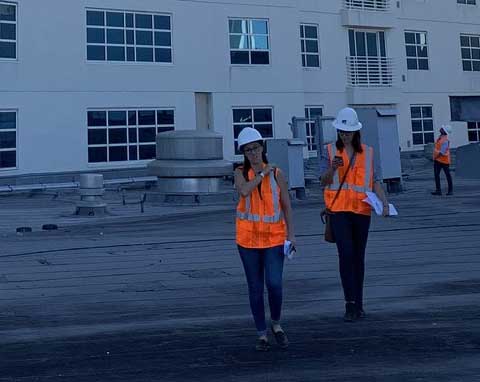
“No job is so urgent that it cannot be done safely.” This mantra encapsulates the safety culture at Big Iron International. We emphasize a proactive approach to cranes and safety, where every team member, from crane operators to support staff, is responsible for maintaining a safe environment.
Our core value of safety extends beyond our employees to our clients and the general public. We take every reasonable precaution to prevent incidents and maintain the highest safety standards in the industry. This commitment has not only earned us the trust of our clients but also established Big Iron International as a benchmark for safety in crane and lifting services.
Big Iron Sets the Standard for the Industry (for Cranes and Safety)
At Big Iron International, cranes and safety are woven into every fiber of our operations. From employing experienced and certified operators to maintaining rigorous OSHA and DOT compliance and ensuring comprehensive insurance coverage, we go above and beyond to safeguard our clients and their projects. When you choose Big Iron International, you’re not just choosing a service –you’re choosing a partner that values safety, reliability, and excellence above all else.
For your next project, trust the name that prioritizes safety at every step. Contact Big Iron International today and experience unparalleled crane services that set the industry standard.
Frequently Asked Questions
Operating cranes safely requires adherence to several critical measures:
- Pre-Operational Inspections: Conduct thorough checks of the crane's components, including the hoist, wire ropes, and hydraulic systems, to identify and address any potential issues before commencing operations.
- Load Capacity Compliance: Ensure that the weight of the load does not exceed the crane's maximum rated capacity to prevent structural failures and accidents.
- Operator Training and Certification: Verify that all crane operators are properly trained and certified, possessing the necessary skills and knowledge to handle the equipment safely.
- Environmental Awareness: Assess the worksite for hazards such as overhead power lines, unstable ground conditions, and adverse weather, and implement appropriate safety protocols to mitigate risks.
- Use of Personal Protective Equipment (PPE): Mandate the use of PPE, including hard hats, safety glasses, gloves, and high-visibility clothing, to protect workers from potential hazards.